 (4)
(4)


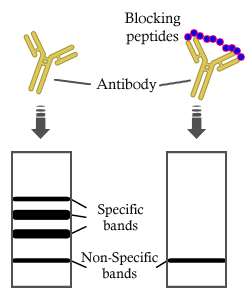
製品説明
*The optimal dilutions should be determined by the end user. For optimal experimental results, antibody reuse is not recommended.
*Tips:
WB: For western blot detection of denatured protein samples. IHC: For immunohistochemical detection of paraffin sections (IHC-p) or frozen sections (IHC-f) of tissue samples. IF/ICC: For immunofluorescence detection of cell samples. ELISA(peptide): For ELISA detection of antigenic peptide.
引用形式: Affinity Biosciences Cat# DF12122, RRID:AB_2844927.
折りたたみ/展開
Beta myosin heavy chain; cardiac muscle beta isoform; CMD1S; CMH1; MPD1; MYH7; MYH7_HUMAN; Myhc slow; MyHC-beta; MyHC-slow; MYHCB; Myopathy, distal 1; Myosin heavy chain (AA 1-96); Myosin heavy chain 7; Myosin heavy chain; Myosin heavy chain slow isoform; Myosin heavy chain, cardiac muscle beta isoform; Myosin, heavy chain 7, cardiac muscle, beta; Myosin, heavy polypeptide 7, cardiac muscle, beta; Myosin-7; Rhabdomyosarcoma antigen MU RMS 40.7A; SPMD; SPMM;
免疫原
A synthesized peptide derived from human MYH7, corresponding to a region within C-terminal amino acids.
Both wild type and variant Gln-403 are detected in skeletal muscle (at protein level).
- P12883 MYH7_HUMAN:
- Protein BLAST With
- NCBI/
- ExPASy/
- Uniprot
MGDSEMAVFGAAAPYLRKSEKERLEAQTRPFDLKKDVFVPDDKQEFVKAKIVSREGGKVTAETEYGKTVTVKEDQVMQQNPPKFDKIEDMAMLTFLHEPAVLYNLKDRYGSWMIYTYSGLFCVTVNPYKWLPVYTPEVVAAYRGKKRSEAPPHIFSISDNAYQYMLTDRENQSILITGESGAGKTVNTKRVIQYFAVIAAIGDRSKKDQSPGKGTLEDQIIQANPALEAFGNAKTVRNDNSSRFGKFIRIHFGATGKLASADIETYLLEKSRVIFQLKAERDYHIFYQILSNKKPELLDMLLITNNPYDYAFISQGETTVASIDDAEELMATDNAFDVLGFTSEEKNSMYKLTGAIMHFGNMKFKLKQREEQAEPDGTEEADKSAYLMGLNSADLLKGLCHPRVKVGNEYVTKGQNVQQVIYATGALAKAVYERMFNWMVTRINATLETKQPRQYFIGVLDIAGFEIFDFNSFEQLCINFTNEKLQQFFNHHMFVLEQEEYKKEGIEWTFIDFGMDLQACIDLIEKPMGIMSILEEECMFPKATDMTFKAKLFDNHLGKSANFQKPRNIKGKPEAHFSLIHYAGIVDYNIIGWLQKNKDPLNETVVGLYQKSSLKLLSTLFANYAGADAPIEKGKGKAKKGSSFQTVSALHRENLNKLMTNLRSTHPHFVRCIIPNETKSPGVMDNPLVMHQLRCNGVLEGIRICRKGFPNRILYGDFRQRYRILNPAAIPEGQFIDSRKGAEKLLSSLDIDHNQYKFGHTKVFFKAGLLGLLEEMRDERLSRIITRIQAQSRGVLARMEYKKLLERRDSLLVIQWNIRAFMGVKNWPWMKLYFKIKPLLKSAEREKEMASMKEEFTRLKEALEKSEARRKELEEKMVSLLQEKNDLQLQVQAEQDNLADAEERCDQLIKNKIQLEAKVKEMNERLEDEEEMNAELTAKKRKLEDECSELKRDIDDLELTLAKVEKEKHATENKVKNLTEEMAGLDEIIAKLTKEKKALQEAHQQALDDLQAEEDKVNTLTKAKVKLEQQVDDLEGSLEQEKKVRMDLERAKRKLEGDLKLTQESIMDLENDKQQLDERLKKKDFELNALNARIEDEQALGSQLQKKLKELQARIEELEEELEAERTARAKVEKLRSDLSRELEEISERLEEAGGATSVQIEMNKKREAEFQKMRRDLEEATLQHEATAAALRKKHADSVAELGEQIDNLQRVKQKLEKEKSEFKLELDDVTSNMEQIIKAKANLEKMCRTLEDQMNEHRSKAEETQRSVNDLTSQRAKLQTENGELSRQLDEKEALISQLTRGKLTYTQQLEDLKRQLEEEVKAKNALAHALQSARHDCDLLREQYEEETEAKAELQRVLSKANSEVAQWRTKYETDAIQRTEELEEAKKKLAQRLQEAEEAVEAVNAKCSSLEKTKHRLQNEIEDLMVDVERSNAAAAALDKKQRNFDKILAEWKQKYEESQSELESSQKEARSLSTELFKLKNAYEESLEHLETFKRENKNLQEEISDLTEQLGSSGKTIHELEKVRKQLEAEKMELQSALEEAEASLEHEEGKILRAQLEFNQIKAEIERKLAEKDEEMEQAKRNHLRVVDSLQTSLDAETRSRNEALRVKKKMEGDLNEMEIQLSHANRMAAEAQKQVKSLQSLLKDTQIQLDDAVRANDDLKENIAIVERRNNLLQAELEELRAVVEQTERSRKLAEQELIETSERVQLLHSQNTSLINQKKKMDADLSQLQTEVEEAVQECRNAEEKAKKAITDAAMMAEELKKEQDTSAHLERMKKNMEQTIKDLQHRLDEAEQIALKGGKKQLQKLEARVRELENELEAEQKRNAESVKGMRKSERRIKELTYQTEEDRKNLLRLQDLVDKLQLKVKAYKRQAEEAEEQANTNLSKFRKVQHELDEAEERADIAESQVNKLRAKSRDIGTKGLNEE
種類予測
Score>80(red) has high confidence and is suggested to be used for WB detection. *The prediction model is mainly based on the alignment of immunogen sequences, the results are for reference only, not as the basis of quality assurance.
High(score>80) Medium(80>score>50) Low(score<50) No confidence
研究背景
Myosins are actin-based motor molecules with ATPase activity essential for muscle contraction. Forms regular bipolar thick filaments that, together with actin thin filaments, constitute the fundamental contractile unit of skeletal and cardiac muscle.
Cytoplasm>Myofibril. Cytoplasm>Myofibril>Sarcomere.
Note: Thick filaments of the myofibrils.
Both wild type and variant Gln-403 are detected in skeletal muscle (at protein level).
The rodlike tail sequence is highly repetitive, showing cycles of a 28-residue repeat pattern composed of 4 heptapeptides, characteristic for alpha-helical coiled coils (PubMed:26150528, PubMed:26573747). Four skip residues (Skip1: Thr-1188, Skip2: Glu-1385, Skip3: Glu-1582 and Skip4: Gly-1807) introduce discontinuities in the coiled-coil heptad repeats. The first three skip residues are structurally comparable and induce a unique local relaxation of the coiled-coil superhelical pitch and the fourth skip residue lies within a highly flexible molecular hinge that is necessary for myosin incorporation in the bare zone of sarcomeres (PubMed:26150528).
Limited proteolysis of myosin heavy chain produces 1 light meromyosin (LMM) and 1 heavy meromyosin (HMM). HMM can be further cleaved into 2 globular subfragments (S1) and 1 rod-shaped subfragment (S2).
Belongs to the TRAFAC class myosin-kinesin ATPase superfamily. Myosin family.
研究領域
· Environmental Information Processing > Signal transduction > cGMP-PKG signaling pathway. (View pathway)
· Human Diseases > Cardiovascular diseases > Hypertrophic cardiomyopathy (HCM).
· Human Diseases > Cardiovascular diseases > Dilated cardiomyopathy (DCM).
· Human Diseases > Cardiovascular diseases > Viral myocarditis.
· Organismal Systems > Circulatory system > Cardiac muscle contraction. (View pathway)
· Organismal Systems > Circulatory system > Adrenergic signaling in cardiomyocytes. (View pathway)
参考文献

Application: WB Species: human Sample:

Application: IHC Species: dog Sample:
Restrictive clause
Affinity Biosciences tests all products strictly. Citations are provided as a resource for additional applications that have not been validated by Affinity Biosciences. Please choose the appropriate format for each application and consult Materials and Methods sections for additional details about the use of any product in these publications.
For Research Use Only.
Not for use in diagnostic or therapeutic procedures. Not for resale. Not for distribution without written consent. Affinity Biosciences will not be held responsible for patent infringement or other violations that may occur with the use of our products. Affinity Biosciences, Affinity Biosciences Logo and all other trademarks are the property of Affinity Biosciences LTD.